Русский
 Français
Turkmenistan: Ancient Cities, Eastern Culture and Fiery Darvaza D6/n5
Explore the beauty of the country, get acquainted with its history and culture of Turkmenistan
days: 6 — cities: 2
Description of the tour
Discover Turkmenistan — a land of ancient civilizations, the legendary Great Silk Road and extraordinary natural landscapes. Over six days of travel you will get acquainted with the architectural splendor of Ashgabat, touch the history of the Parthian state, explore the ruins of one of the largest cities of the ancient East and see the famous Darvaza gas crater.
You can also look forward to traditional oriental bazaars, an introduction to Akhal-Teke horses and visits to historical monuments that preserve the memory of important events of the past. This journey combines cultural heritage, historical discoveries and vivid impressions of the nature of the Karakum Desert.
Tour route
Upon arrival at Ashgabat International Airport you will be met by company representatives and transferred to the hotel. Early check-in is provided, after which you can rest and prepare for the excursion program.
The first point of the route will be the ancient fortress of Nisa — one of the most important archaeological monuments of the Parthian kingdom. This historical complex, known as the sanctuary of the Parthian kings, received UNESCO World Heritage status in 2007.
Nisa is believed to have been one of the first capitals of the Parthian state. Its founding is linked to Arsaces I, who ruled in the 3rd century BC. Researchers suggest that the territory of the fortress may have been used for the burial of members of the Parthian dynasty, but its exact purpose — a royal residence or a necropolis — is still a subject of study.
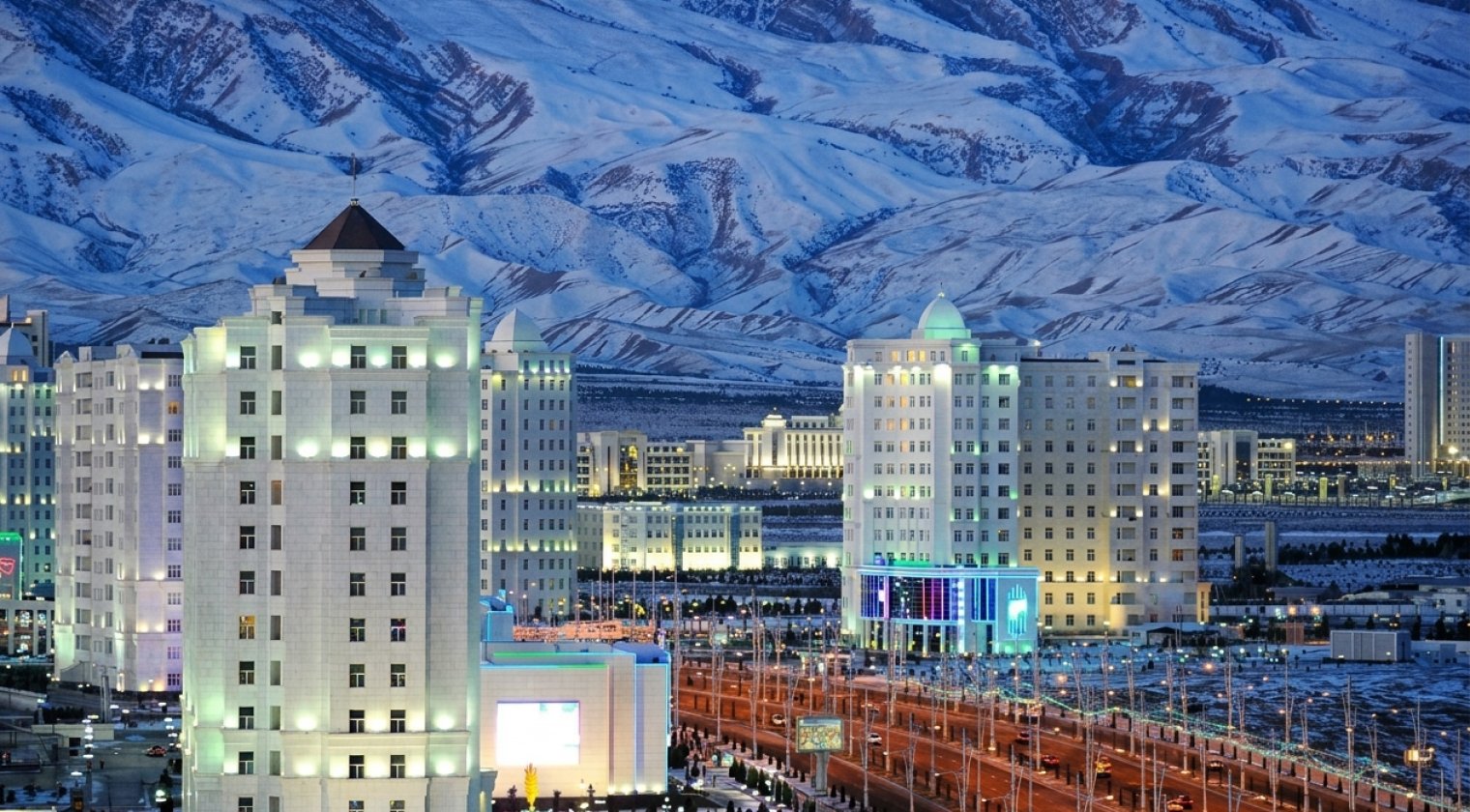
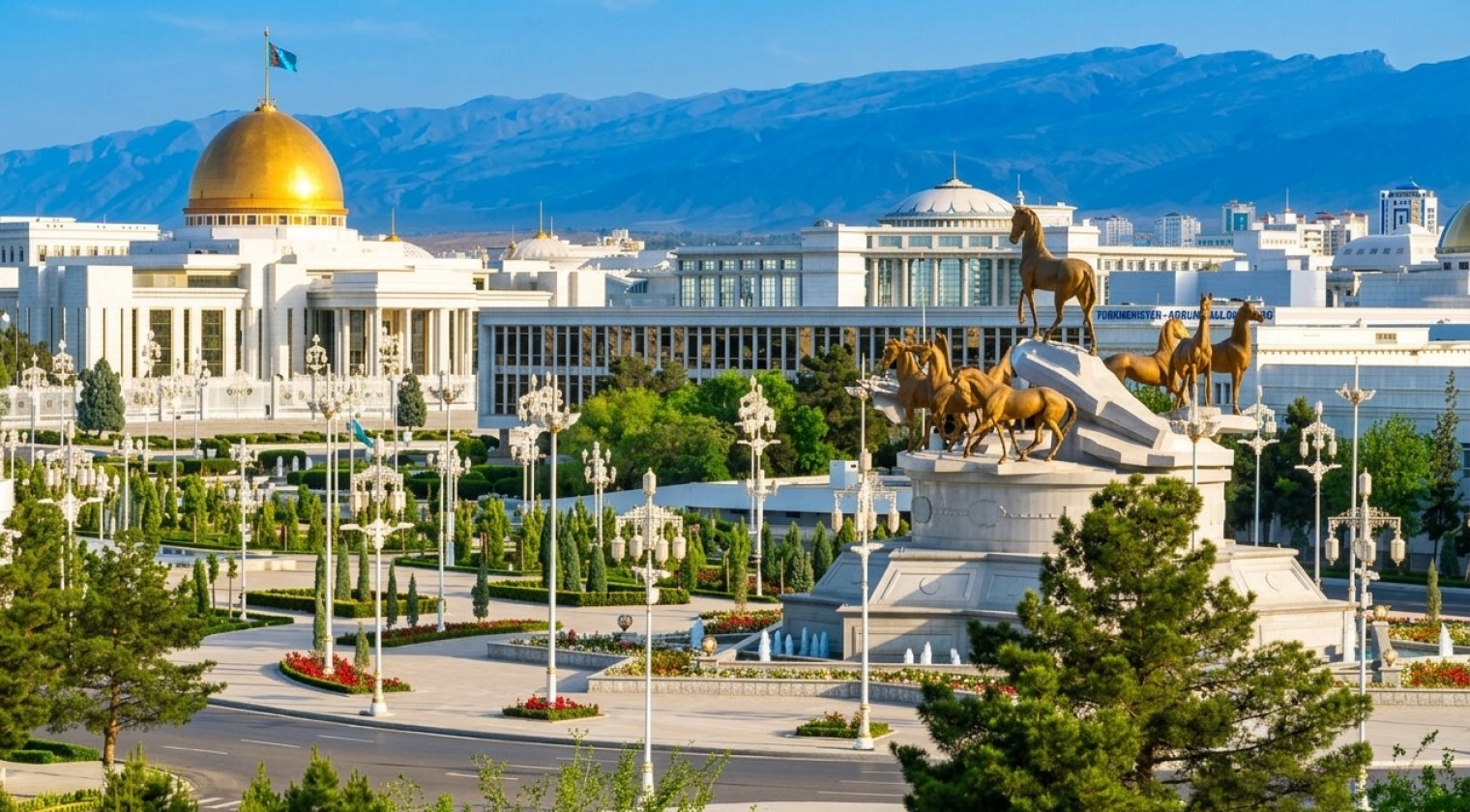
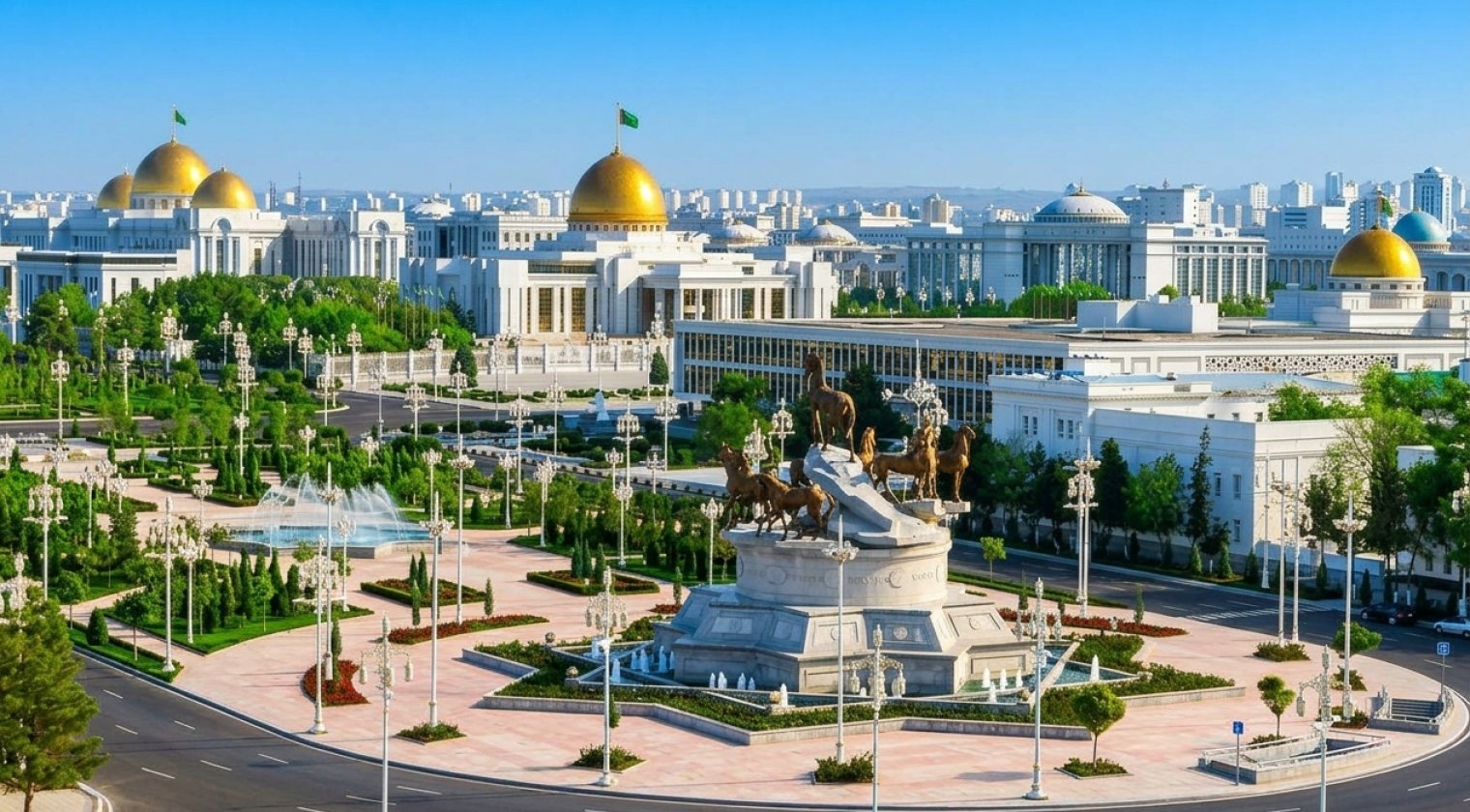
In the second half of the day we will set off to get to know Ashgabat — the modern capital, famous for its monumental architecture and snow-white marble buildings. In 2013 the city was recognized by the Guinness Book of Records for the largest number of structures faced with white marble.
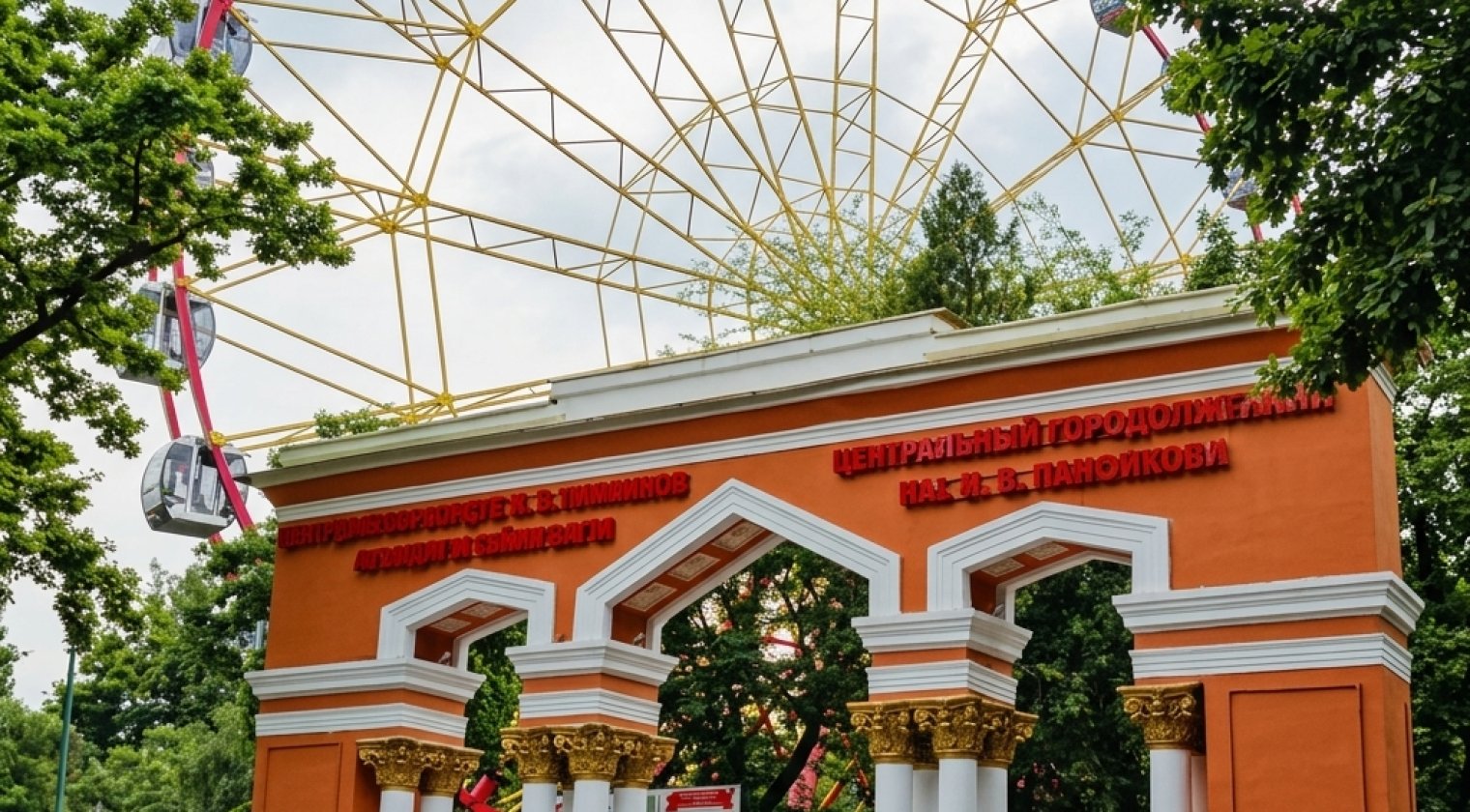
During the sightseeing tour you will see the main architectural symbols of the capital: the Wedding Palace, the Yyldyz Hotel, the Ferris wheel, the Constitution Monument and the Arch of Neutrality. The program also includes the Independence Monument and Park, the Ertugrul Gazi Mosque, the Olympic Stadium, and the monuments to the victims of the earthquake and of World War II.
Overnight at a hotel in Ashgabat.
After breakfast we will set off on a journey through the historical places of Turkmenistan. Today's route will pass through ancient settlements and lead us to Merv — one of the most important centers of the Great Silk Road.
The first stop will be the ruins of the Seyit Jemaleddin Mosque in Anau. It was built in 1456 during the reign of Abu-ibn-Qasim Babur Bahadur Khan in Khorasan. The construction was financed by his vizier Muhammad Khudaydot, who chose this place not far from the grave of his father, Sheikh Jemaleddin.
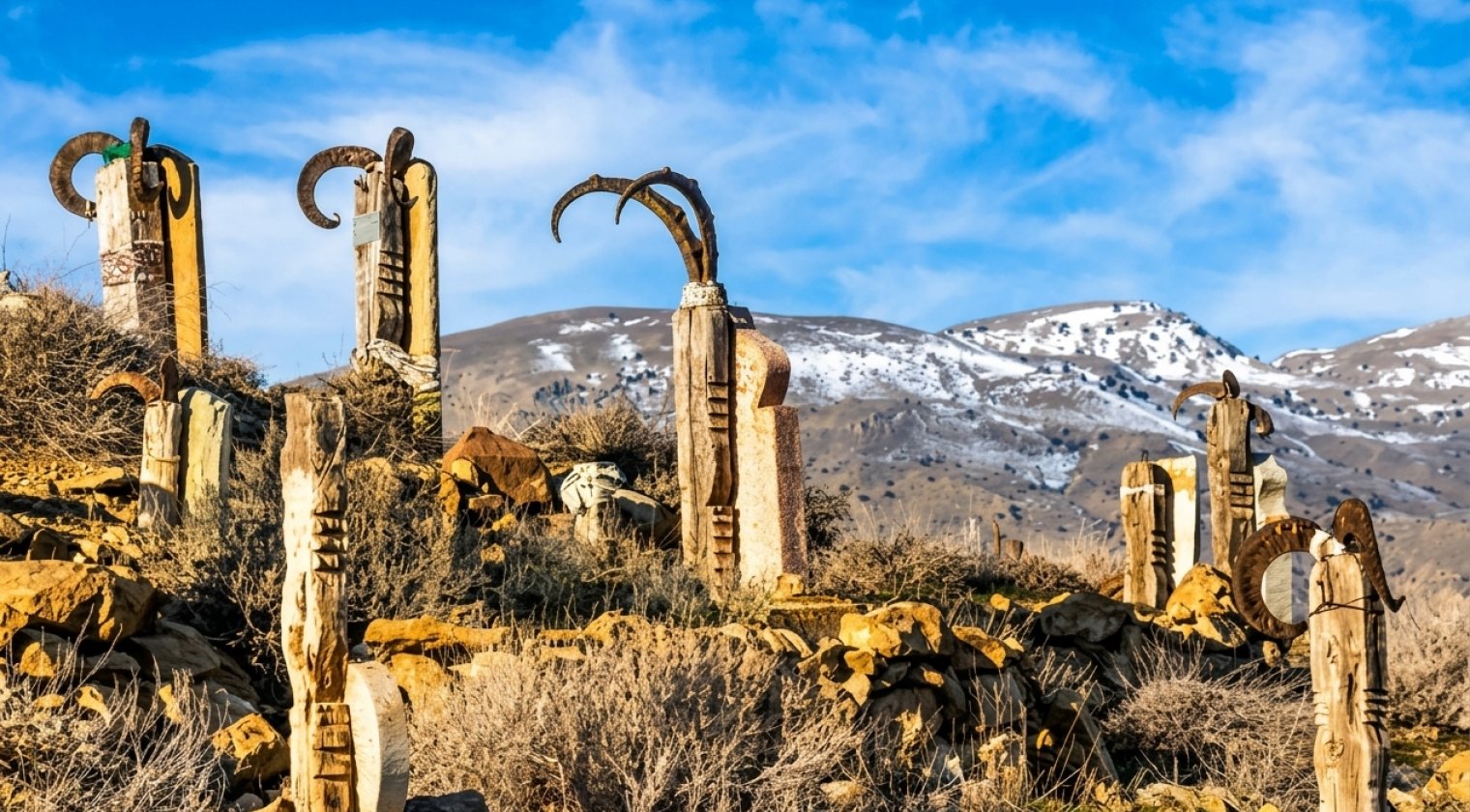
The mosque was once a building with a square central hall and a domed top. Over the following centuries the structure was rebuilt several times, but gradually deteriorated because of ground subsidence. The mosque was finally destroyed during the devastating earthquake of 1948. Only separate fragments of its walls and the lower part of the portal have survived to this day.
We will continue on to Abiverd — an ancient trade city that in the past held an important position in Northern Khorasan. Thanks to its location, it served as one of the trading points on the Great Silk Road connecting Nisa and Merv, and maintained ties with Nishapur.
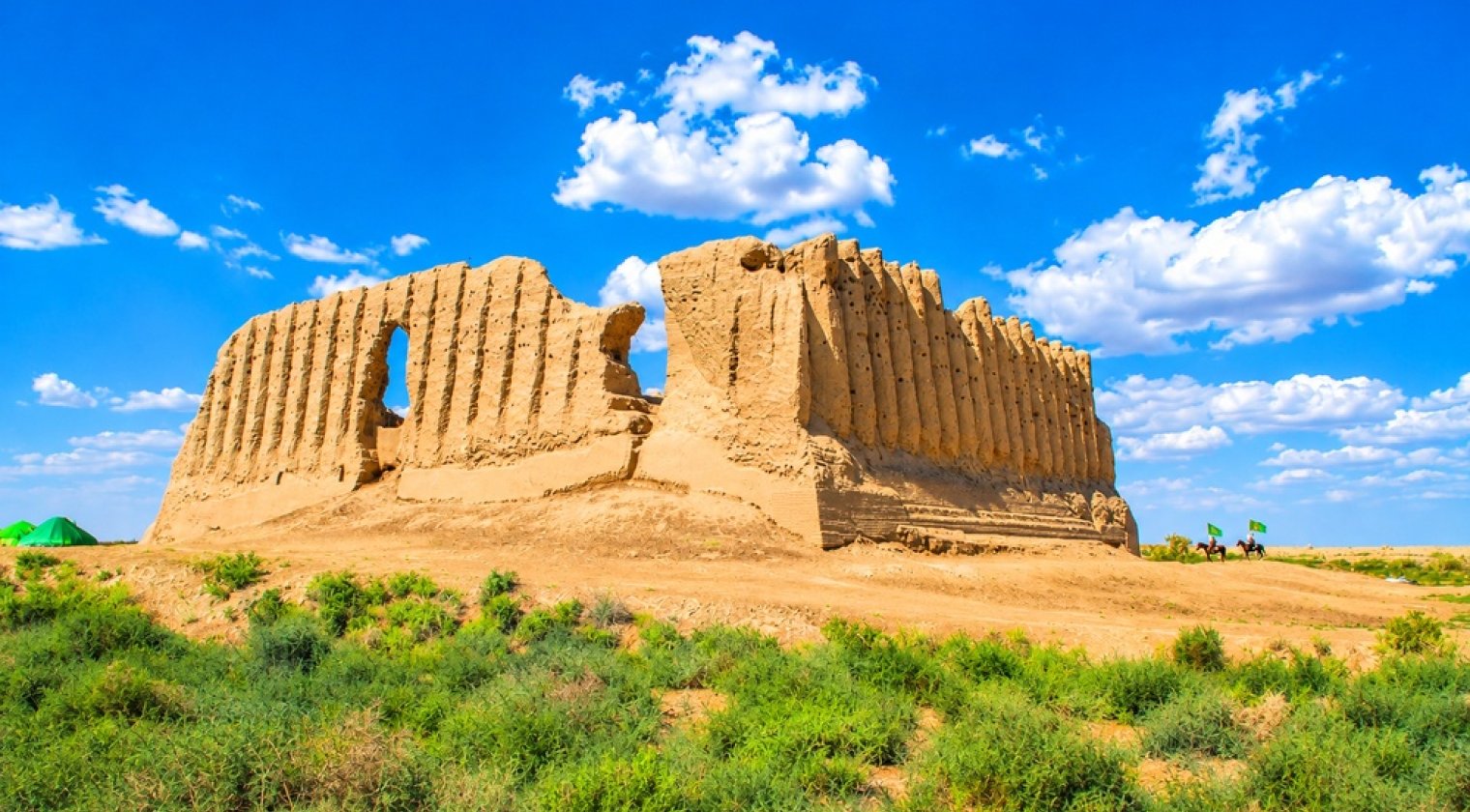
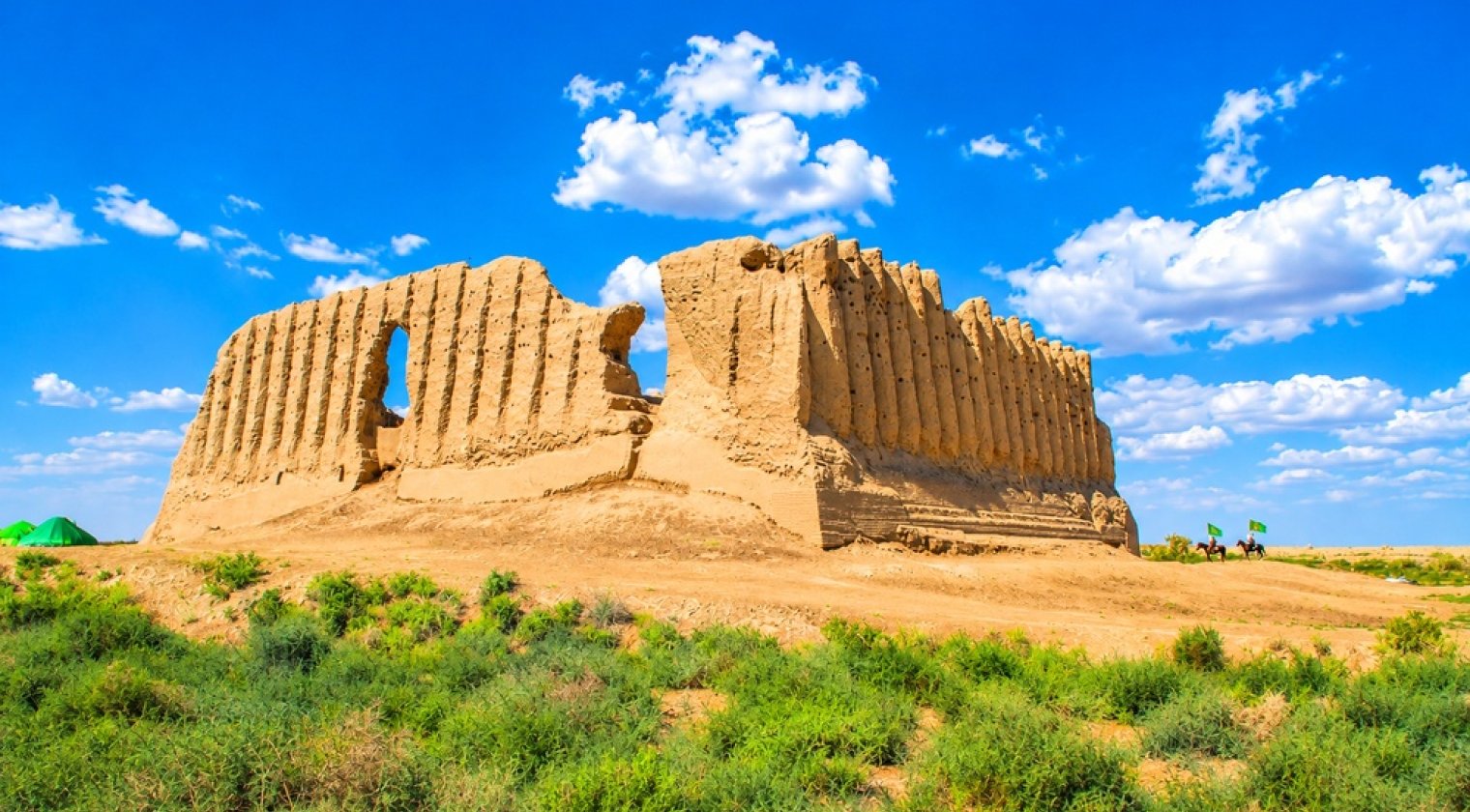
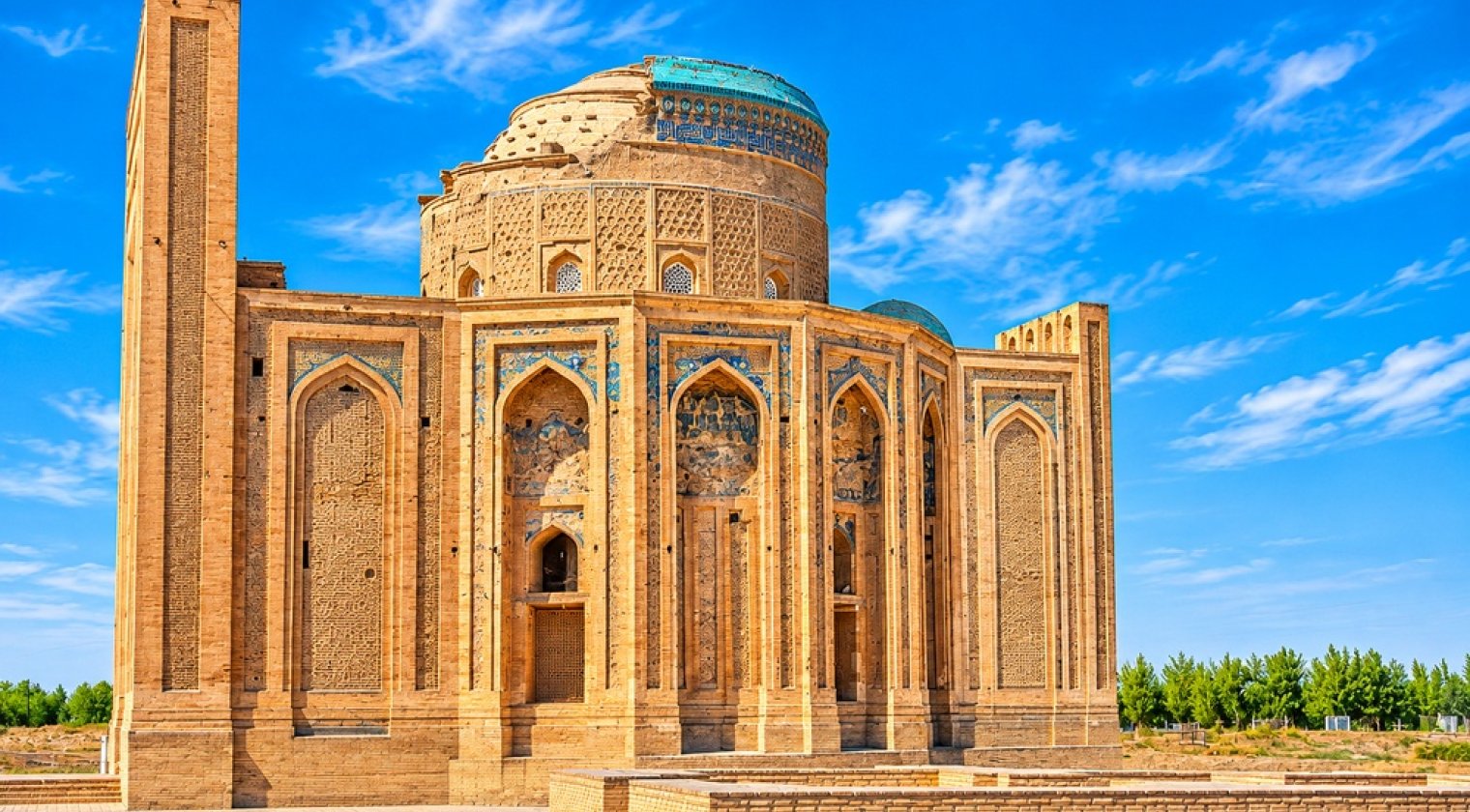
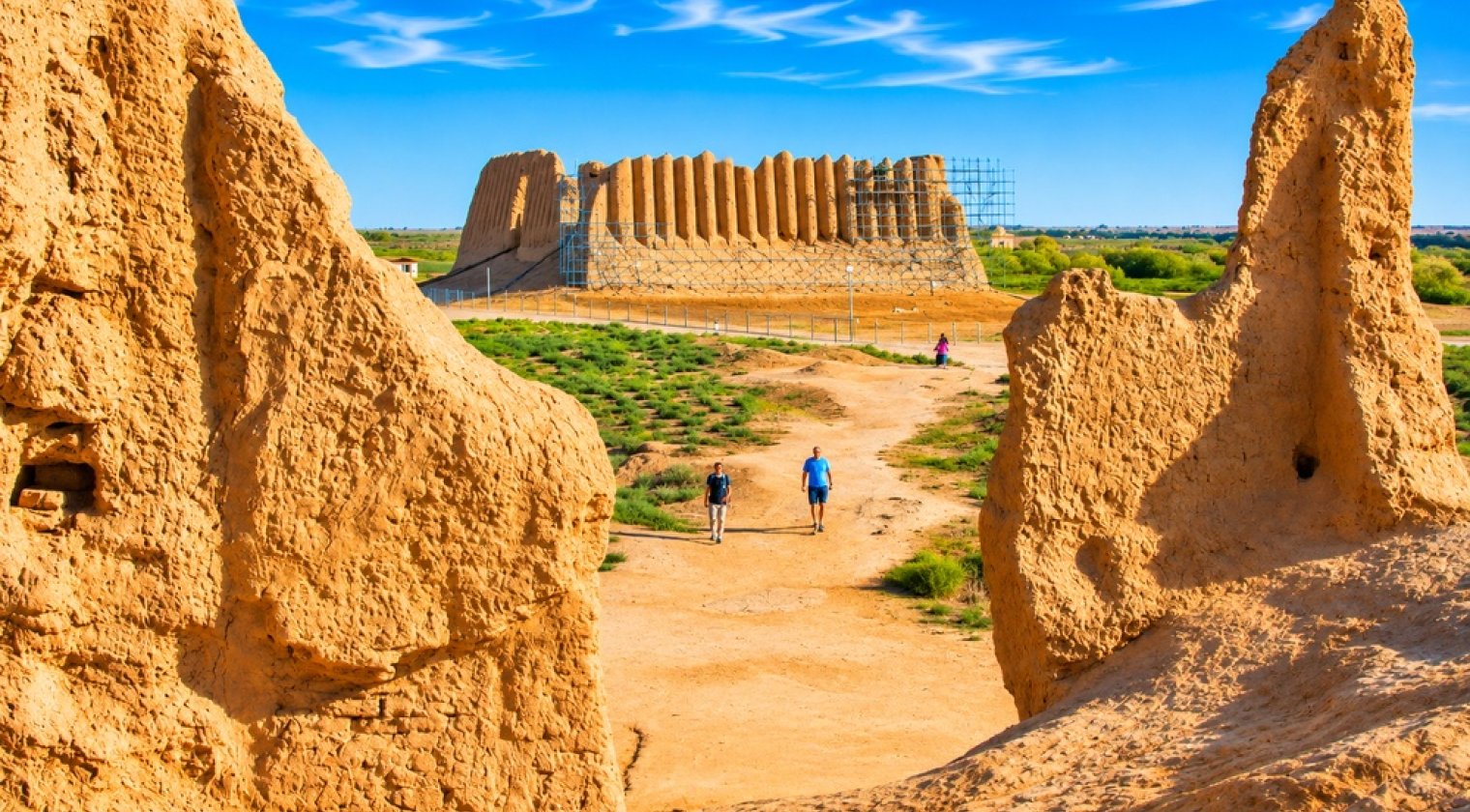
The next stop is ancient Merv, which is often called the “Queen of the World.” In different historical eras it was one of the largest political, cultural and trade centers of the region. In its importance Merv was compared with such famous cities of the Islamic world as Baghdad, Cairo and Damascus.
During the tour of the archaeological complex you will get acquainted with several historical monuments reflecting different periods of the city's development:
The Greater and Lesser Kyz Kala — fortress structures of the 6th–7th centuries;
The Ashabs complex — an architectural ensemble of the 8th–14th centuries;
- Erk Kala — an ancient fortress of the 6th century BC;
- Gyaur Kala — a historical settlement of the 4th century BC;
- The Khoja Yusuf Hamadani complex;
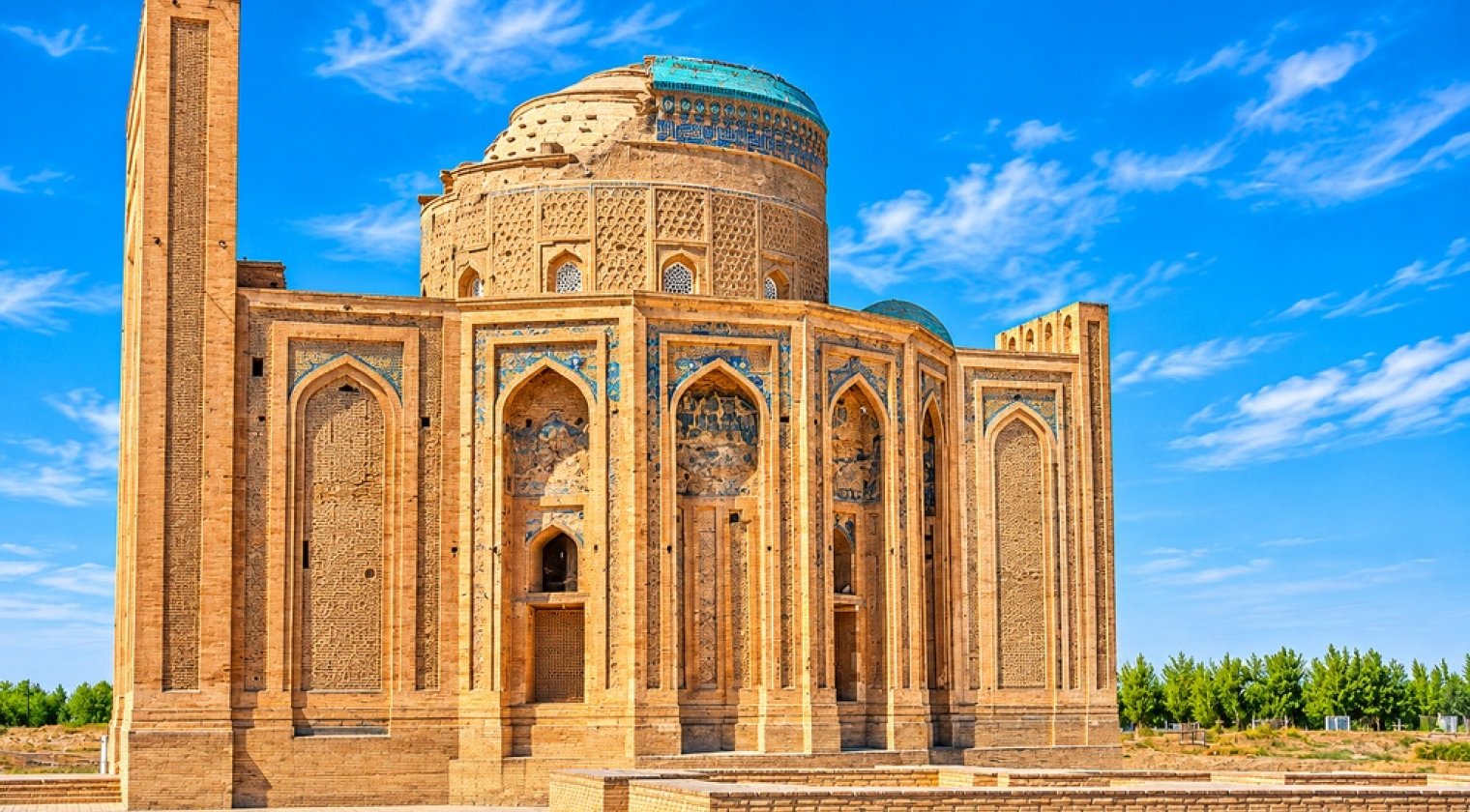
- The Mausoleum of Sultan Sanjar;
- The Mausoleum of Muhammad ibn Zeid.
After getting acquainted with the ancient city, return to Ashgabat. The length of the return trip is about 395 km.
Overnight at a hotel in Ashgabat.
After breakfast we will head to one of the traditional markets of Ashgabat, where you can feel the atmosphere of oriental trade and get acquainted with the everyday life of local residents.
Depending on the day of the week, you will visit the Altyn Asyr (Jygyldyk) bazaar, located about 20 km north of the capital. It is open on Wednesdays, Thursdays, Saturdays and Sundays and is considered one of the largest open-air markets in the region.
Its grounds present national carpets, handmade items, jewelry, silk fabrics and traditional Turkmen clothing. Here you can also find market rows with various goods and animals.
As an alternative, a visit to the Gulistan bazaar is provided — one of the oldest covered trading complexes in Ashgabat. Its first floor is given over to food: fresh fruits and vegetables, meat, fish, dairy products, spices, nuts and dried fruits. The second floor houses shops selling clothing, souvenirs and other goods.
In the second half of the day we will leave the capital and head into the Karakum Desert, to the famous Darvaza gas crater. The journey is about 276 km.
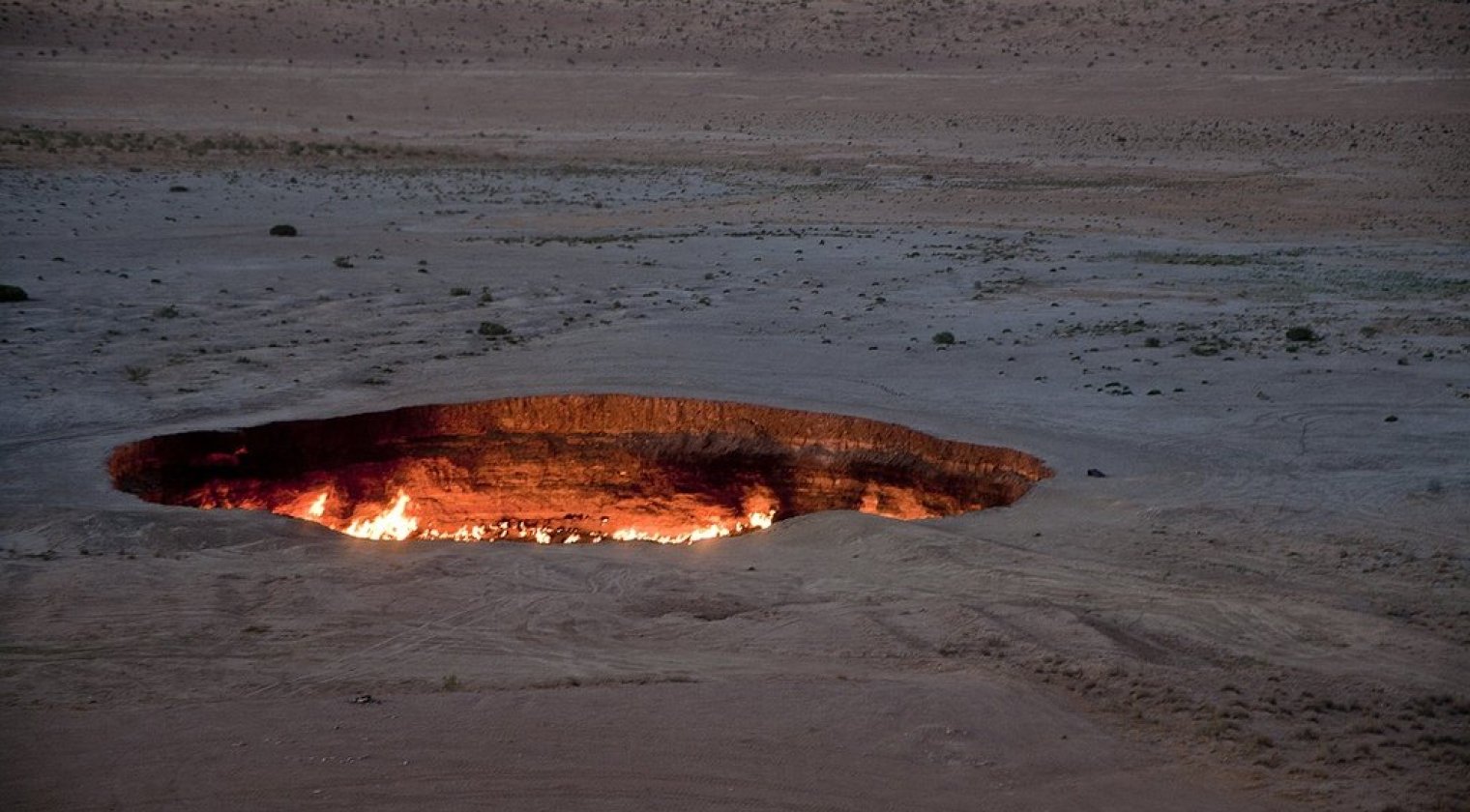
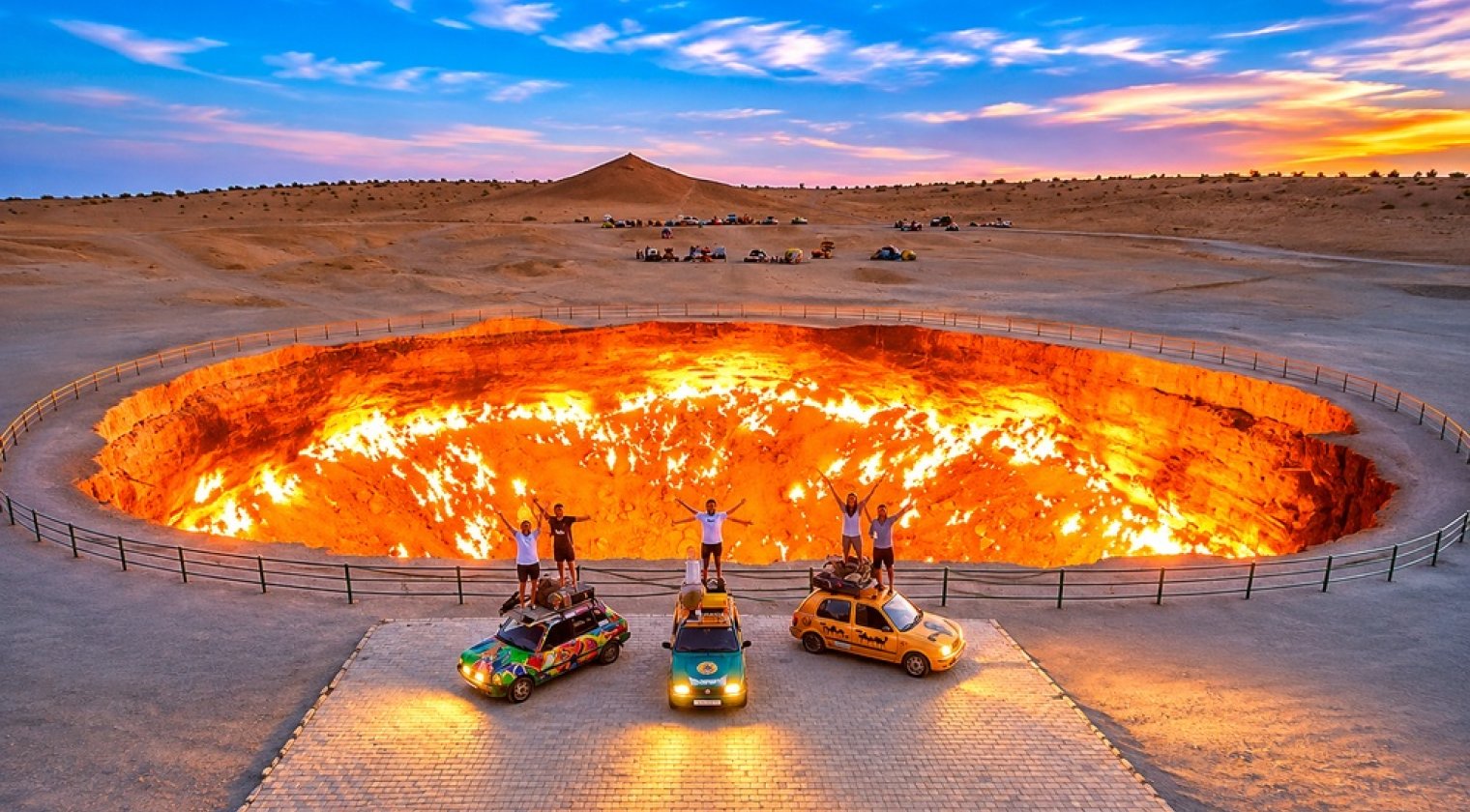
Darvaza is one of the most unusual natural spectacles in Turkmenistan. Large deposits of natural gas lie in this area, and the crater itself has been burning continuously for more than fifty years. The bright flame rising from the depths of the earth looks especially impressive in the dark, when its light becomes visible against the backdrop of the boundless desert.
Besides the main gas crater, during the trip you can see other unusual natural formations — water and mud craters.
The desert landscapes, the silence of the Karakum and the chance to get acquainted with the traditions of nomadic life create the special atmosphere of this journey.
As evening falls, you will be accommodated in a traditional Turkmen yurt or in individual tents of a tourist camp. Barbecue will be prepared for dinner. A night in the desert will let you see the fiery glow of Darvaza in complete darkness and feel the unique atmosphere of this place.
Night at the camp.
The morning will begin with a picnic-style breakfast at the desert camp.
After breakfast we will head back to Ashgabat. The drive will be about 276 km.
Upon arrival, a transfer to the hotel will be arranged. The remaining time can be devoted to rest and exploring the city on your own.
Overnight at a hotel in Ashgabat.
After breakfast we will go to Geokdepe — a historical place connected with one of the significant events in the history of Turkmenistan. The distance from Ashgabat is about 54 km.
The main attraction of the area is the Geokdepe fortress, which in December 1880 became the site of a military confrontation between the Russian army and local defenders. The siege lasted 23 days and ended with the fortress being taken by storm.
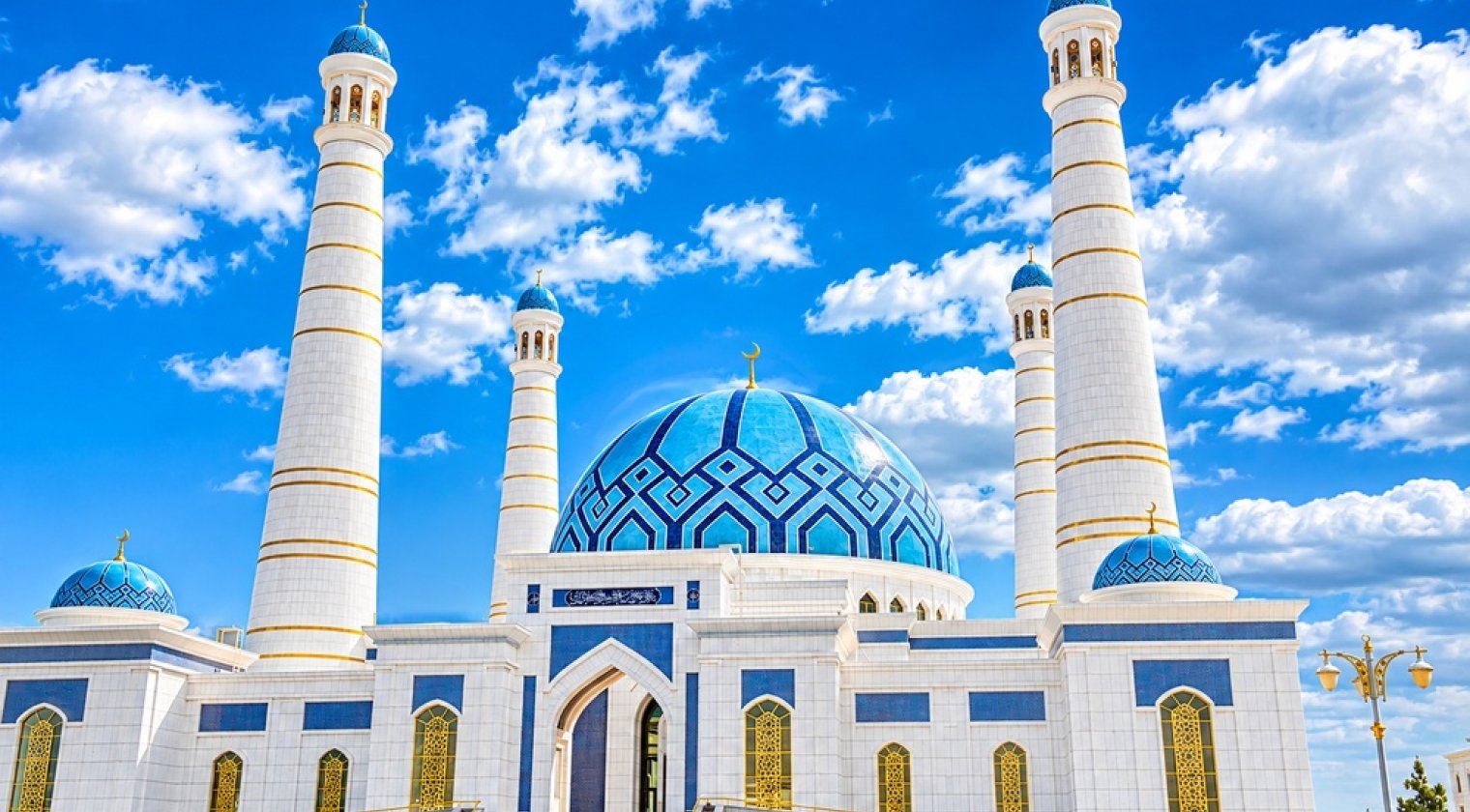
Then we will visit the Geokdepe Mosque, also known as the Saparmurat Hajji Mosque. It was built in 1995. The architectural appearance of the building stands out for its combination of white marble and a dome of a rich turquoise shade.
The excursion will continue with a visit to the Geokdepe Museum, whose exhibition is devoted to the events of 1881 and the confrontation of the Russian troops with the local Akhal-Teke tribe.
After the historical part of the program, you will get acquainted with one of the main national prides of the country — Akhal-Teke horses.
This unique breed has a history of many thousands of years. Turkmen horse breeders have been breeding it for about five thousand years. Akhal-Teke steeds are known for their grace, endurance and distinctive appearance. They were valued even in antiquity: such historical rulers as Alexander the Great and Darius I showed interest in these horses.
More than 35 horses are kept on the grounds of the horse farm. Numerous traditions and folk beliefs are connected with them. According to one of them, touching an Akhal-Teke steed can bring a person health and well-being.
On the way back to Ashgabat, a visit to the Turkmenbashi Ruhy Mosque and mausoleum is provided. At the time of its opening, this large-scale religious and architectural complex was considered the largest mosque in Central Asia.
Return to Ashgabat.
Overnight at a hotel.
Breakfast at the hotel (if the departure time allows).
At the appointed time, transfer to Ashgabat International Airport. End of the tour and departure home.
Included in the tour
Not included in the tour

Booking
Booking
Fill out the form and we will organize an unforgettable journey for you — from ancient cities to modern experiences!