Русский
 Français
Combined
Turkmenistan: a Journey Through the Millennia — from Ancient Merv to the Fiery Darvaza Crater
Explore the beauty of the country, get acquainted with its history and culture of Turkmenistan
days: 8 — cities: 4
Duration
days: 8
Tourists
6-10
Transport
Bus
Cities
4 cities
Team
Stanvoyage
Accommodation
Hotel
- Nukus - Andijan -
Description of the tour
Discover Turkmenistan — a land of ancient civilizations, boundless deserts and amazing natural landscapes. This journey combines an introduction to the historical heritage of the Great Silk Road, architectural monuments, traditional crafts and the distinctive culture of the Turkmen people.
Over eight days you will see the modern capital Ashgabat, explore the ruins of legendary Merv, spend a night at the famous Darvaza gas crater, visit the medieval monuments of Konye-Urgench and head to the unusual landscapes of the Yangykala canyon. The program also includes an introduction to traditional ceramics, a visit to the village of Nohur and a meeting with the renowned Akhal-Teke horses.
Tour route
Upon arrival at Ashgabat International Airport you will be met by a representative of the host party and transferred to the hotel. After check-in and rest, your acquaintance with the Turkmen capital will begin.
The first stop will be the ancient fortress of Nisa — one of the most important archaeological monuments of the Parthian kingdom. The sanctuary of the Parthian kings, founded by the Arsacid dynasty, was located here. Nisa was inscribed on the UNESCO World Heritage List in 2007. A walk around the territory of the ancient settlement will let you touch the history of a state that for centuries played a significant role in the political and cultural life of the region.
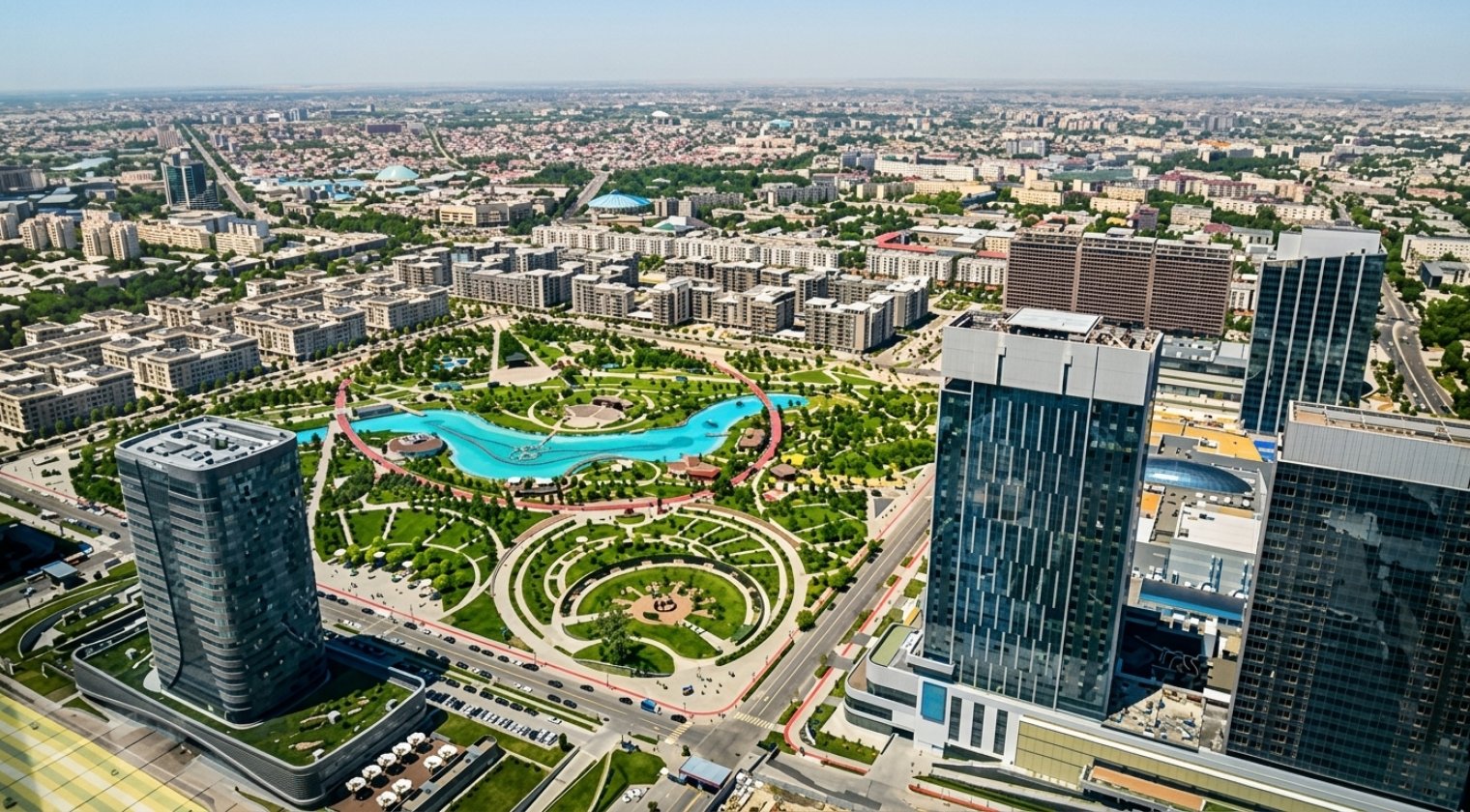
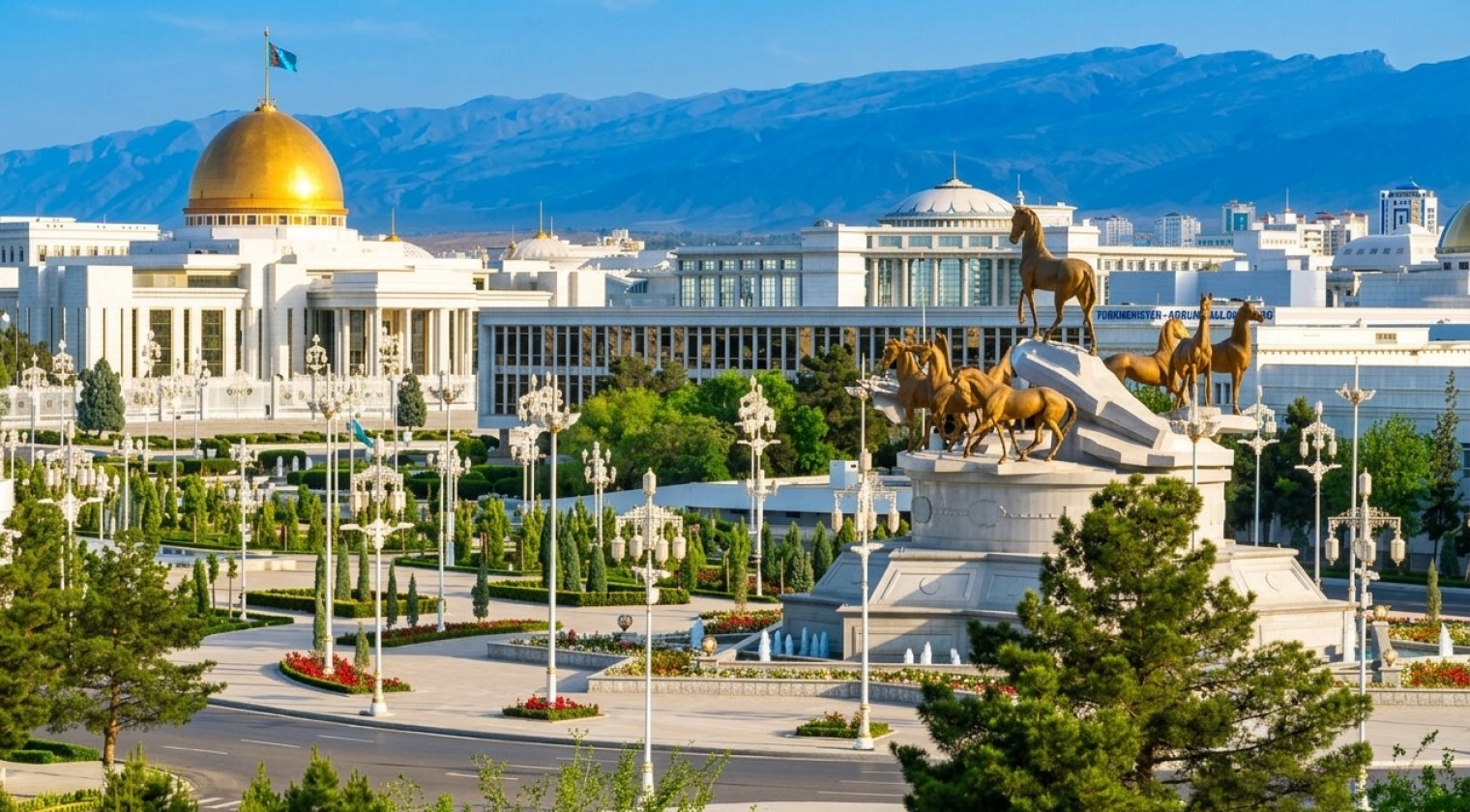
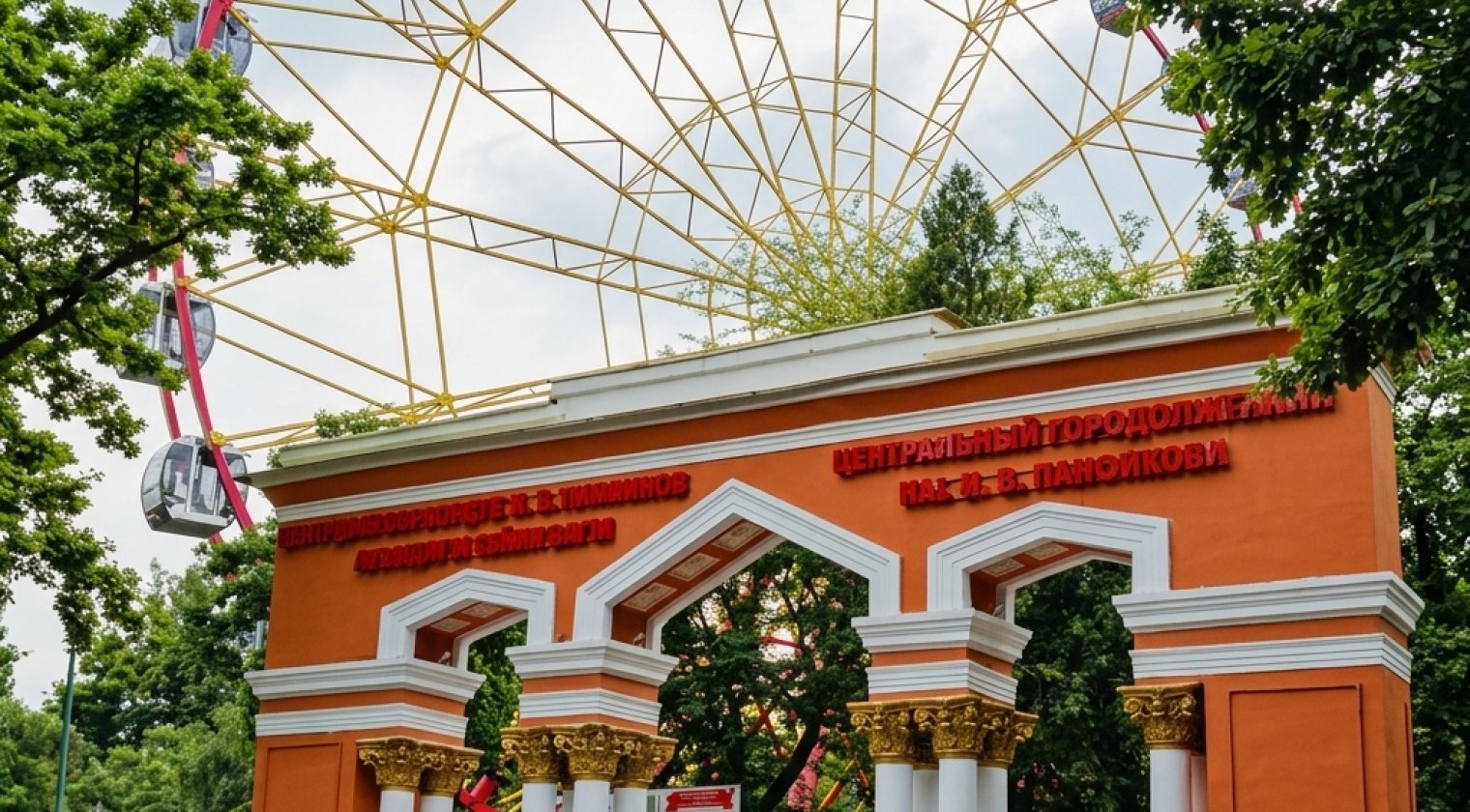
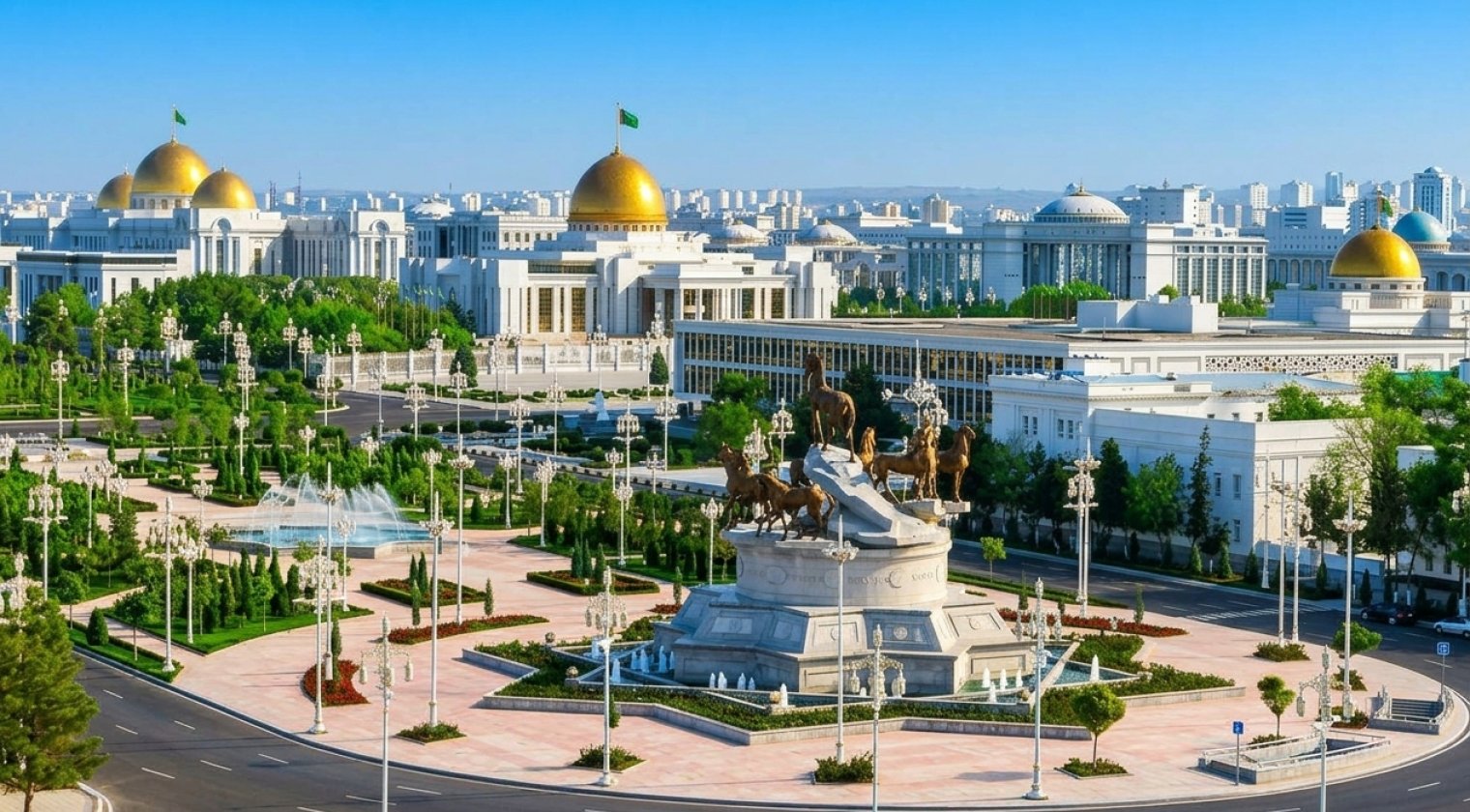
Then a sightseeing tour of Ashgabat awaits you. The city is known for its monumental architecture, wide avenues and modern buildings. During the drive you will see the Wedding Palace, the Yyldyz Hotel, the Ferris wheel, the Constitution Monument, the Arch of Neutrality, and the Independence Monument and the park surrounding it.
The route also includes a visit to the Ertugrul Gazi Mosque, the Olympic Stadium, and the monuments dedicated to the earthquake and the events of World War II.
After the tour — return to the hotel and an overnight stay in Ashgabat.
After breakfast, departure to Merv — one of the most significant historical centers of Central Asia. The distance from Ashgabat is about 360 km.
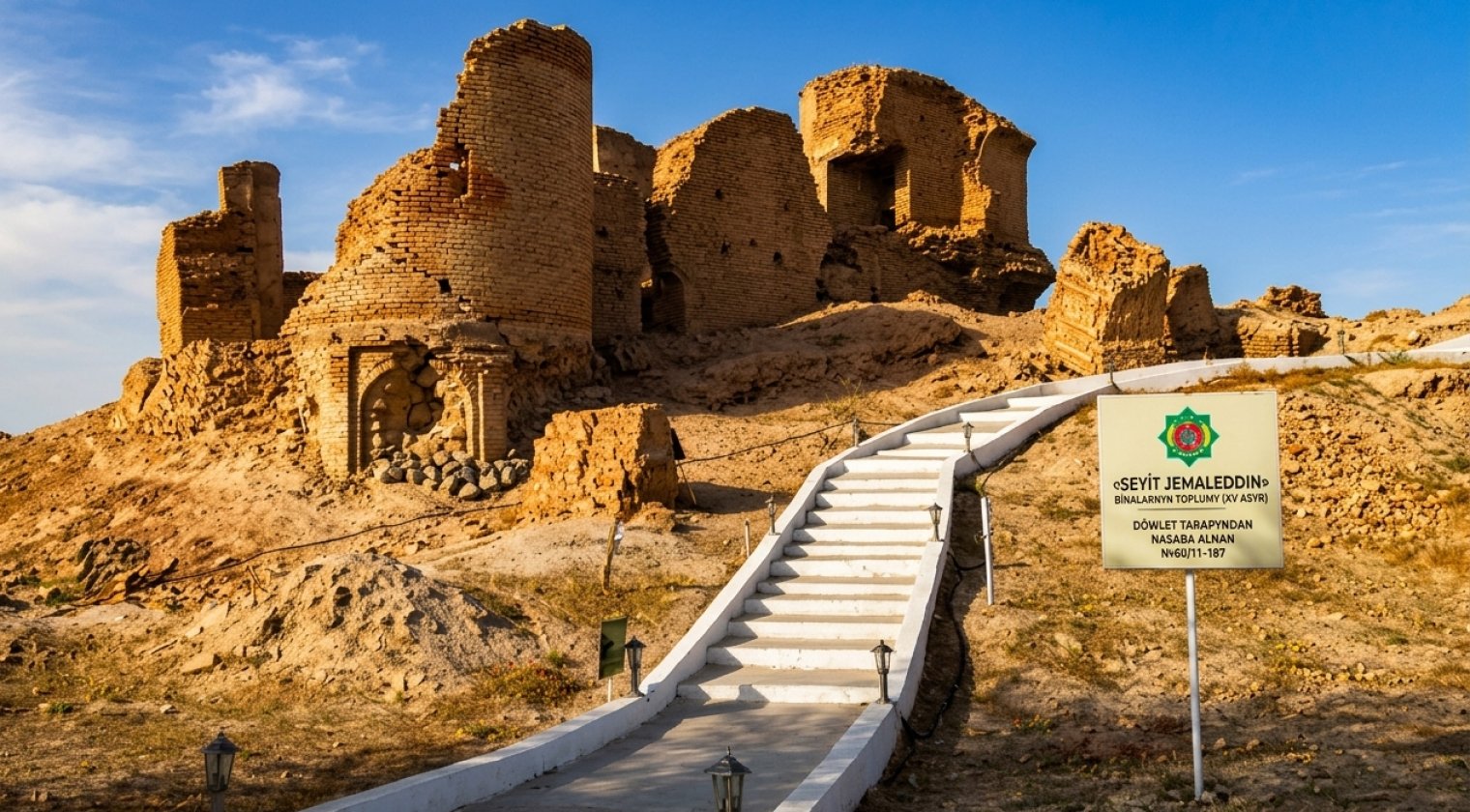
Stops at historical monuments connected with the past of the Great Silk Road are provided along the way. The first will be the Seyit Jemaleddin Mosque in Anau. Its construction dates to the 15th century: the structure was built in 1456 during the reign of Abu-ibn-Qasim Babur Bahadur Khan in Khorasan. The construction was financed by the vizier Muhammad Khudaydot. The mosque was located not far from the burial place of his father, Sheikh Jemaleddin.
In the past the building was a square structure with a central hall and a dome. In later years it was partially reconstructed, but over time it suffered from ground subsidence. The monument was finally destroyed during the earthquake of 1948. Separate fragments of the walls and the lower part of the portal have survived to this day.
The route then continues to Abiverd — an ancient trade city of Northern Khorasan. Thanks to its location, it was an important point on the trade route connecting Nisa and Merv, and also maintained ties with Nishapur.
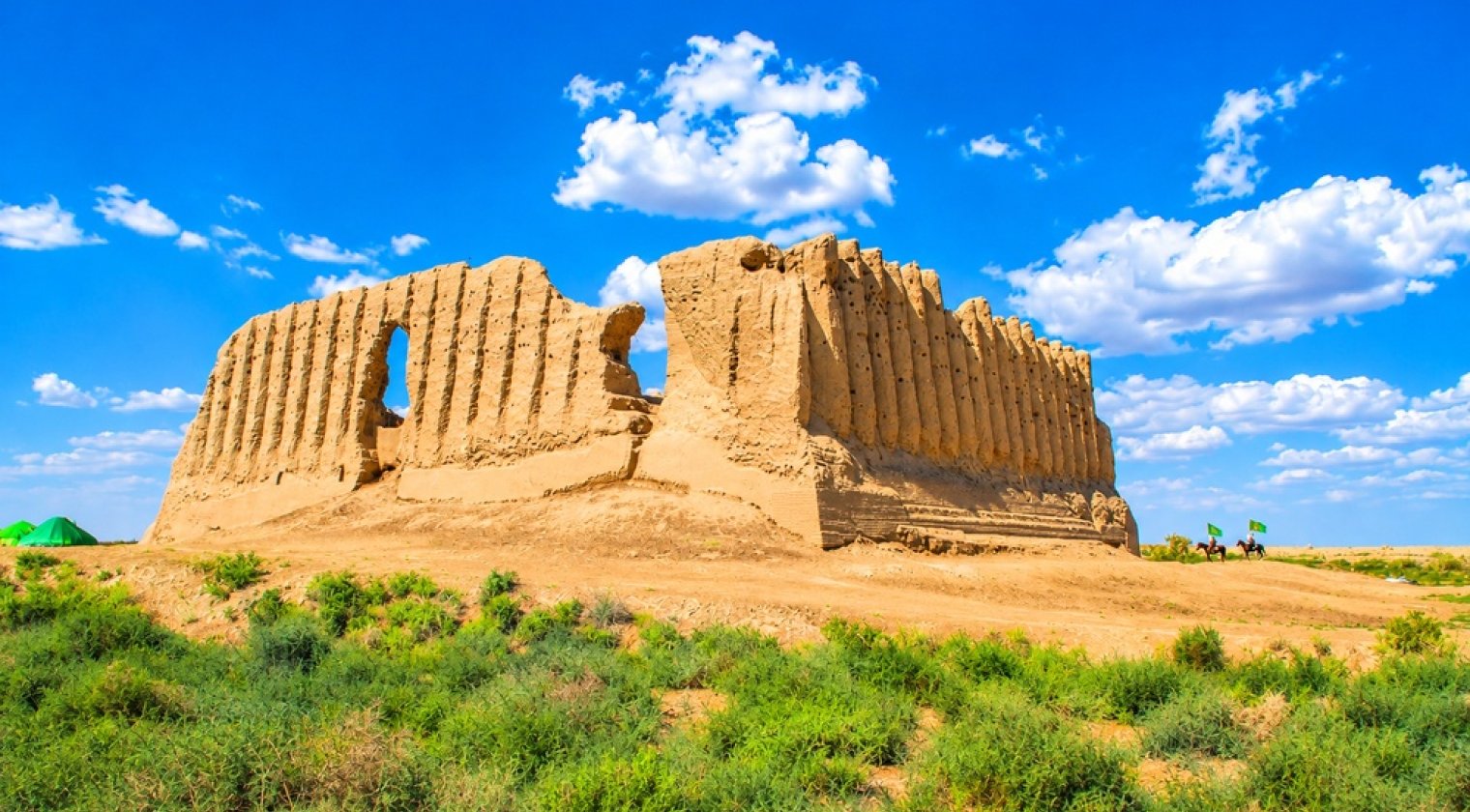
After that you will head to Merv, located about 35 km from Abiverd. In the Middle Ages this city was one of the largest centers of the region and so significant that it was called the “Queen of the World.” In its cultural and political influence Merv rivaled such cities of the Islamic world as Baghdad, Cairo and Damascus.
During the excursion you will get acquainted with the best-known archaeological sites of the ancient city:
- The Greater and Lesser Kyz Kala — fortress structures of the 6th–7th centuries;
- The Askhabs complex, whose history spans the period from the 8th to the 14th century;
- Erk Kala — an ancient fortress that arose in the 6th century BC;
- Gyaur Kala — a settlement of the 4th century BC;
- the Khoja Yusuf Hamadani complex;
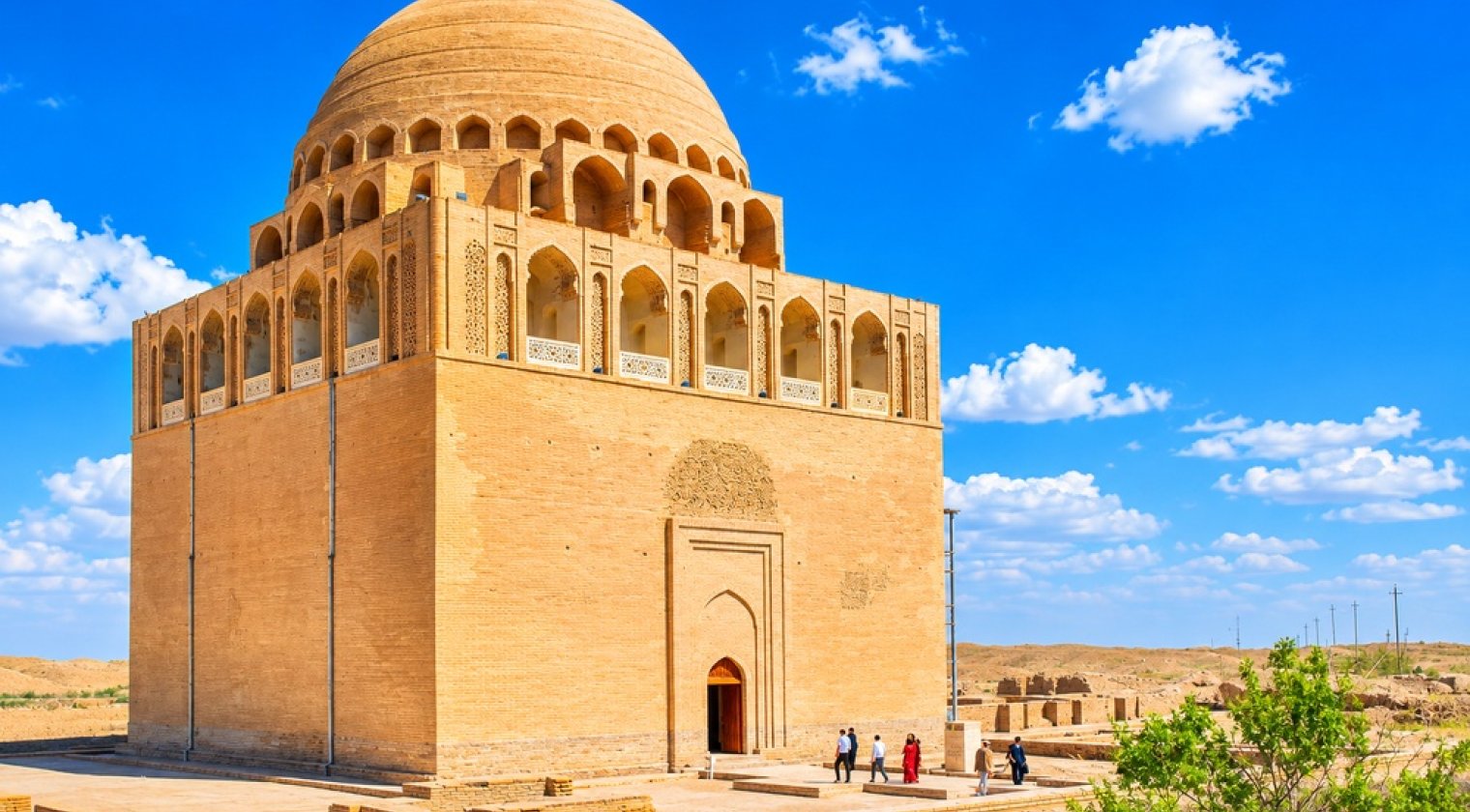
- the Mausoleum of Sultan Sanjar;
- the Mausoleum of Muhammad ibn Zeid.
After the excursion, return to Ashgabat. Overnight at a hotel.
The morning will begin with a visit to one of the traditional markets of Ashgabat. Depending on the day of the week, you will be able to visit the Altyn Asyr oriental bazaar, which operates on Wednesdays, Thursdays, Saturdays and Sundays. It is located in the Jygyldyk area, about 20 km north of the capital.
This is a large trading space presenting national carpets, jewelry, silk fabrics, traditional clothing and various items by local craftsmen. Here you can also see market rows with animals and feel the atmosphere of everyday life in Turkmenistan.
As an alternative, a visit to the Gulistan bazaar is possible — one of the oldest covered markets in the city. On the first floor are food rows with vegetables, fruits, meat, fish, dairy products, spices, nuts and dried fruits. The second floor is occupied by the sale of clothing, souvenirs and other goods.
In the second half of the day you will leave Ashgabat and head deep into the Karakum Desert. The main goal of the trip is the famous Darvaza gas crater, known around the world as the “Gates of Hell.” The distance from the capital is about 276 km.
The history of the crater began in 1971, when Soviet geologists were carrying out exploratory drilling. During the work an underground gas cavity was discovered and the surface collapsed, forming a huge crater about 70 meters in diameter. To prevent the spread of potentially dangerous gas, it was decided to set it on fire. It was expected that the fire would go out after a few days, but the crater continues to burn to this day.
On the way you will cross the desert expanses of the Karakum and make a stop in the small settlement of Yerbent. Here you will be able to see the features of people's lives in a desert climate.
By evening you will arrive at the Darvaza crater. In the dark the fiery glow is especially impressive: tongues of flame light up the huge crater, creating an extraordinary spectacle in the middle of the desert.
Barbecue dinner in the open air. Overnight at a desert camp not far from the crater.
After a picnic breakfast, departure to Dashoguz. The route, about 296 km long, passes through desert territories in the north of the country.
Upon arrival — transfer and check-in at the hotel. Then an introduction to one of the traditional crafts of Turkmenistan awaits you — the making of ceramics.
During the master class you will learn which types of clay are used in the work, get acquainted with the masters' tools and the main stages of creating ceramic items. Under the guidance of a master you will prepare the material, place it on the potter's wheel and try to give the clay the desired shape yourself, creating your own item — for example, a small bowl or pot.
The program will continue with a visit to the house-museum of a well-known artist. Its exhibition presents paintings, ceramics, carpets and sculptures reflecting the artistic traditions of the region.
To conclude the day — a walk around the central part of Dashoguz, an introduction to the city's atmosphere and a return to the hotel.
Overnight in Dashoguz.
After breakfast you will head to Konye-Urgench — a historic city that has preserved unique monuments of medieval architecture and is a reminder of the former greatness of Khorezm.
During the excursion you will visit the most significant historical structures of the complex:
- The portal of a caravanserai — a monument connected with the trade and urban life of ancient Urgench;
- the Mamun Minaret;
- the Mausoleum of Il-Arslan;
- the Mausoleum of Sultan Tekesh;
- a historical site connected with the Khorezm Academy;
- the Kutlug Timur Minaret;
- the Mausoleum of Turabek Khanum.
Each of these monuments represents a separate page of the region's history. The architecture of the complex makes it possible to trace the development of building traditions and artistic skill in medieval Khorezm.
After the excursion, return to Dashoguz. In the evening — a flight to Ashgabat, transfer and check-in at the hotel.
Overnight in Ashgabat.
After breakfast, transfer to Ashgabat airport and a flight to Turkmenbashi. Upon arrival, a car journey begins to one of the most unusual natural places in the country — the Yangykala canyon. The distance is about 180 km.
On the way, a stop is provided at the pilgrimage site of Gozli Ata, which has special significance for local residents.
You will then continue on to Yangykala. The name of this place translates as “Fiery Fortresses” — it is connected with the unusual outlines of the rocks and the rich color palette of the surrounding landscape.
The canyon impresses with whimsical rock formations shaped by wind and rain. White, yellow, ochre, violet and red shades create an amazing natural relief that looks especially striking against the open sky and desert expanses.
Here you will be able to walk around the canyon, examine the unusual shapes of the rocks and enjoy panoramic views of one of the most picturesque corners of Turkmenistan.
After getting acquainted with Yangykala, transfer to Balkanabat. Check-in at the hotel and overnight stay.
After breakfast you will head to the mountain village of Nohur, located in a valley of the Kopetdag range. The distance to the village is about 315 km.
Nohur is distinguished by its distinctive atmosphere, narrow streets and the special cultural traditions of the local population. The residents of this region preserve their own customs and features of daily life, thanks to which the village differs noticeably from other settlements in the country.
A local legend about Noah's Ark is connected with Nohur. According to the tradition, it was here that the ark came to rest after the flood, and the animals and the seeds of plants were released onto the land.
During a walk you will see a large old tree and the local cemetery. A peculiarity of the burials is the wooden grave posts decorated with the horns of mountain goats. The program also includes a visit to the sacred wishing tree Kyz-Bibi, to which people come with hopes and requests.
Then the route will continue with a visit to a horse farm where the famous Akhal-Teke horses are bred. The history of this breed spans about five thousand years. Turkmen horse breeders have preserved its unique qualities for many generations, without mixing Akhal-Teke steeds with other breeds.
These horses were highly valued even in antiquity. According to historical legends, Alexander the Great and the Persian king Darius I were interested in them. Today Akhal-Tekes are known around the world for their elegant build, endurance and the distinctive sheen of their coat.
More than 35 horses are kept at the farm. You will be able to get acquainted with the features of the breed and learn more about its significance for the culture of Turkmenistan. There is also a local belief that touching an Akhal-Teke horse brings healing to the sick.
After the excursion, return to Ashgabat. Check-in at the hotel and free time to rest.
Overnight in Ashgabat.
Depending on your flight's departure time, a transfer to Ashgabat International Airport will be arranged.
End of the journey through Turkmenistan. Departure home.
Turkmenistan is a country that cannot be known at a single glance. Here ancient cities neighbor modern architecture, boundless deserts hide natural phenomena, and centuries-old traditions live on in the crafts, customs and culture of the local residents. This journey will give you the chance to see different sides of the country and get acquainted with its history, nature and distinctive heritage.
Included in the tour
Not included in the tour

Booking
Booking
Fill out the form and we will organize an unforgettable journey for you — from ancient cities to modern experiences!